The fastest way to get rid of hyperpigmentation is to combine professional treatments like chemical peels, laser therapy, or IPL with a daily skincare routine that includes vitamin C, retinoids, and broad-spectrum sunscreen. Hyperpigmentation is one of the most common skin concerns seen in dermatology offices worldwide, and the global hyperpigmentation treatment market was valued at $5.5 billion in 2024, according to Market.us. It is projected to reach $11.3 billion by 2034, growing at a rate of 7.5% per year. According to the American Academy of Dermatology (AAD), melasma and post-inflammatory hyperpigmentation rank among the top reasons for dermatology visits. This article covers what causes hyperpigmentation, the most effective professional and at-home treatments, how long it takes to fade, and how to prevent dark spots from coming back.
What Is the Fastest Way To Cure Hyperpigmentation?
The fastest way to cure hyperpigmentation is with professional treatments like chemical peels, laser skin resurfacing, or intense pulsed light (IPL) therapy combined with prescription-strength topical agents. These professional procedures work faster than over-the-counter products because they remove the damaged outer layers of skin and directly target excess melanin at a deeper level.
According to a review published in PMC (PubMed Central), topical therapy is the recommended first-line treatment for hyperpigmentation, with hydroquinone being the gold standard. Chemical peels and laser therapies are effective adjunctive methods that can accelerate results when used alongside topical treatments. The ASPS 2024 report found that skin resurfacing procedures grew 6% in 2024, reaching over 3.7 million treatments, showing strong demand for professional-level skin correction.
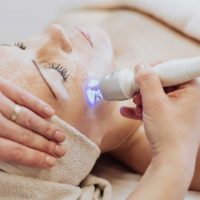
At Slimming Solutions Med Spa, chemical peels use professional-grade acids to exfoliate the damaged surface layer and promote new cell growth. For deeper or more stubborn pigmentation, laser skin resurfacing targets melanin deposits directly while stimulating collagen production for smoother, more even-toned skin. Most patients see visible improvement within 2 to 4 weeks of their first professional treatment.
Does Hyperpigmentation Go Away?
Yes, hyperpigmentation does go away in many cases, but the timeline depends on the type, depth, and cause of the pigmentation. Superficial post-inflammatory hyperpigmentation (PIH) from acne or minor skin injuries can fade on its own within 3 to 12 months with proper sun protection. Deeper pigmentation like melasma or sun damage may take longer and often requires professional treatment to fully resolve.
Harvard Health explains that hyperpigmentation occurs when skin cells produce too much melanin. The most common trigger is sun exposure, which causes the body to darken the skin as a protective response against UV radiation. Other causes include hormonal changes (pregnancy, birth control), inflammation from acne or eczema, medications, and skin injuries. The type of hyperpigmentation determines how quickly it will fade and which treatments are most effective.
Without treatment, some forms of hyperpigmentation can persist for years or become permanent, especially if the underlying cause is not addressed. Sun exposure without SPF protection can darken existing spots further and create new ones. The AAD recommends that patients with hyperpigmentation first identify and eliminate the cause, as many spots will begin to lighten once the trigger is removed. Consistent sunscreen use with SPF 30 or higher is the single most important step for allowing dark spots to fade.
Does Vitamin C Help With Hyperpigmentation?
Yes, vitamin C helps with hyperpigmentation by inhibiting the enzyme tyrosinase, which is responsible for melanin production. Vitamin C (L-ascorbic acid) is one of the most well-researched and effective topical antioxidants for treating dark spots, uneven skin tone, and overall skin brightening. It works by both preventing new melanin from forming and helping to lighten existing pigmentation.
In addition to its depigmenting effects, vitamin C provides powerful antioxidant protection against UV-induced free radical damage, which is one of the primary causes of hyperpigmentation. According to Harvard Health, vitamins A, B, C, and E obtained through food or supplements all support the treatment of hyperpigmentation. Vitamin C serums with a concentration of 10% to 20% L-ascorbic acid are most effective when applied daily in the morning under sunscreen.
For patients who want faster results than topical vitamin C alone can provide, combining a vitamin C serum with professional treatments like chemical peels or exosome microneedling creates a synergistic effect. The professional treatment clears away damaged cells, while the vitamin C serum helps prevent new pigmentation and brightens the freshly revealed skin. This combination approach is widely recommended by dermatologists for treating stubborn dark spots.
What Causes Hyperpigmentation?
Hyperpigmentation is caused by the overproduction of melanin, the pigment that gives skin its color. This overproduction can be triggered by sun exposure, hormonal changes, skin inflammation, injuries, certain medications, and genetic factors. When any of these triggers activate the melanocytes (the cells that produce melanin), excess pigment is deposited in the skin, creating dark spots or patches.
A survey published in the United States involving more than 1,400 patients found that dyschromia (skin discoloration) is the second most common dermatologic diagnosis in Black and Hispanic populations, according to a study referenced in PMC. The global prevalence of melasma, one of the most common forms of hyperpigmentation, ranges from 1% to 50% depending on the region and population, according to the National Center for Biotechnology Information (NCBI). In certain populations, melasma affects 15% to 50% of pregnant women.
The specific types of hyperpigmentation include post-inflammatory hyperpigmentation (PIH), which occurs after acne, eczema, or skin injury heals; melasma, which appears as symmetrical brown or gray patches on the face due to hormonal changes; sun spots (solar lentigines), caused by cumulative UV exposure; and freckles, which are genetic and darken with sun exposure. Identifying which type you have is the first step toward choosing the right treatment. The trained providers at Slimming Solutions Med Spa evaluate each patient’s skin to determine the type and depth of pigmentation before recommending a treatment plan.
What Fades Hyperpigmentation Fastest?
The treatments that fade hyperpigmentation fastest are professional chemical peels, laser therapy, and prescription-strength topical agents like hydroquinone and tretinoin (retinoids). Among professional treatments, medium-depth chemical peels using glycolic or trichloroacetic acid (TCA) can produce visible lightening within 1 to 2 weeks after the skin heals. Laser treatments using IPL or fractional technology can show improvement after a single session, with optimal results developing over 4 to 8 weeks.
According to Grand View Research, the hyperpigmentation treatment market was valued at $1.39 billion in 2024 and is projected to reach $2.02 billion by 2030, growing at 6.4% per year. Laser and light-based therapy is the fastest-growing segment in this market, advancing at 11.47% per year, according to Mordor Intelligence. This growth reflects the strong demand for treatments that deliver faster, more dramatic results than topical products alone.
For at-home use between professional treatments, products containing niacinamide, tranexamic acid, azelaic acid, or alpha arbutin also help fade pigmentation, though results take 4 to 12 weeks to become visible. At Slimming Solutions Med Spa, patients achieve the fastest results by combining professional treatments like FotoFacial RF or chemical peels with a medical-grade skincare routine that includes active brightening ingredients and daily SPF 30 or higher.
Which Serum Is Best for Hyperpigmentation?
The best serum for hyperpigmentation contains vitamin C (L-ascorbic acid), niacinamide, tranexamic acid, or alpha arbutin as the primary active ingredient. Vitamin C serums at 10% to 20% concentration are the most widely recommended by dermatologists because they both treat existing dark spots and protect against new pigmentation from UV damage.
Niacinamide (vitamin B3) is another excellent option because it blocks the transfer of melanin to skin cells, reduces inflammation, and supports the skin’s moisture barrier. A Harvard Health review noted that niacinamide aids water retention and collagen production while lightening dark spots at the same time. Tranexamic acid is a newer ingredient that has gained strong clinical support for treating melasma and stubborn pigmentation when applied topically.
For the best results, look for serums that combine multiple brightening ingredients in one formula. Apply your serum after cleansing and before moisturizer, and always follow with sunscreen during the day. Professional treatments at a med spa enhance serum effectiveness by removing the dead skin cells that block product absorption. Dermaplaning or microdermabrasion performed before applying active serums allows the ingredients to penetrate deeper and work more effectively.
What Worsens Hyperpigmentation?
The things that worsen hyperpigmentation are unprotected sun exposure, picking or scratching at the skin, using harsh or irritating skincare products, and hormonal fluctuations. UV radiation is the number one factor that worsens all forms of hyperpigmentation because it stimulates melanocytes to produce more melanin, making existing dark spots darker and creating new ones.
Inflammation from any source also worsens hyperpigmentation. Picking at acne, over-exfoliating the skin, using products that cause burning or stinging, and getting sunburned all trigger an inflammatory response that leads to post-inflammatory hyperpigmentation. Board-certified dermatologist Dr. Tracy Evans, cited in a CNN feature, noted that injury to the skin from picking or over-exfoliation is a common cause of pigmentation that patients often bring upon themselves.
Hormonal changes during pregnancy, while taking birth control, or during menopause can trigger or worsen melasma. Certain medications, including some antibiotics, anti-seizure drugs, and non-steroidal anti-inflammatory drugs, can also increase the skin’s sensitivity to light and worsen pigmentation. If you notice dark spots getting worse despite treatment, a medical evaluation to review your medications and hormone levels may be needed. Hormone replacement therapy can help stabilize hormonal fluctuations that contribute to melasma in menopausal women.
Why Won’t My Hyperpigmentation Fade?
Your hyperpigmentation will not fade if the underlying cause has not been addressed, if you are not wearing sunscreen daily, or if the pigmentation is located deep within the dermis (the deeper layer of skin). Superficial pigmentation in the epidermis responds well to topical treatments and peels. Dermal pigmentation, which appears as blue-gray patches rather than brown, is much harder to treat and requires laser therapy or other professional interventions.
A PMC review confirmed that hyperpigmentation disorders are resistant and relapsing in nature, which makes treatment selection challenging. Combination therapy, where multiple topical treatments are used together, is usually the most effective approach according to Harvard Health. Patients who rely on a single product without combining it with sun protection, professional treatments, or lifestyle changes often see slow or no improvement.
Other reasons pigmentation refuses to fade include continued sun exposure without SPF, ongoing skin inflammation from untreated acne or eczema, and hormonal conditions like PCOS or thyroid dysfunction. If your dark spots are not responding to over-the-counter products after 8 to 12 weeks of consistent use, it is time to see a professional. The team at Slimming Solutions Med Spa can evaluate the depth and type of your pigmentation and recommend a targeted treatment plan that combines professional procedures with the right at-home regimen. A free consultation is the best first step.
Can Laser Remove Dark Spots Permanently?
Laser can remove dark spots permanently in many cases by breaking apart the excess melanin that creates the spot and allowing the body to clear it away naturally. IPL (intense pulsed light), fractional lasers, and picosecond lasers are all effective at targeting and destroying pigmented cells without damaging the surrounding skin.
However, new dark spots can form if the skin is exposed to UV radiation, hormonal changes, or inflammation after treatment. The spots that were treated do not return on their own, but the same factors that caused them originally can trigger new melanin production in the same or different areas. This is why dermatologists emphasize that lifelong sun protection is essential after any pigmentation treatment.
According to the ASPS, over 3.7 million skin resurfacing procedures were performed in 2024, a 6% increase from the previous year. Laser treatments for pigmentation are among the fastest-growing segments in aesthetic medicine. At Slimming Solutions Med Spa, laser skin resurfacing treatments target hyperpigmentation at the source while stimulating collagen production for overall skin rejuvenation. For patients with darker skin tones, providers must use specific laser settings and wavelengths to minimize the risk of post-inflammatory hyperpigmentation from the treatment itself.
How To Get 100% Clear Skin?
Getting 100% clear skin requires a consistent daily skincare routine, professional treatments tailored to your skin concerns, sun protection, a healthy diet, and adequate hydration. While “100% clear” is an aspirational goal and individual results vary based on genetics and skin type, following a structured approach can get your skin as close to clear and even-toned as possible.
A clear-skin routine should include cleansing twice daily, applying an active treatment serum (vitamin C in the morning, retinoid at night), moisturizing, and wearing SPF 30 or higher every day. According to Harvard Health, the most common cause of hyperpigmentation is sun exposure, so daily sunscreen is the single most impactful step for preventing new dark spots and allowing existing ones to fade.
Professional treatments accelerate results beyond what at-home products can achieve alone. Regular sessions of chemical peels, aqua facials, or exosome microneedling every 4 to 6 weeks can dramatically improve skin clarity, texture, and tone over time. For patients dealing with multiple skin concerns like pigmentation plus fine lines or acne scarring, combining treatments produces the most comprehensive results.
Hyperpigmentation Treatments Compared
Understanding which treatment is right for your type and severity of hyperpigmentation is key to getting the fastest, most effective results. Below is a comparison of the most common professional and at-home treatment options.
| Treatment | Best For | Results Timeline | Sessions Needed | Professional or At-Home |
|---|---|---|---|---|
| Chemical Peels (Glycolic, TCA) | PIH, melasma, sun spots, uneven tone | 1 – 2 weeks per peel | 3 – 6 peels, 4 weeks apart | Professional |
| IPL / FotoFacial | Sun spots, redness, age spots | 2 – 4 weeks | 3 – 6 sessions | Professional |
| Fractional Laser Resurfacing | Deep pigmentation, acne scars, melasma | 4 – 8 weeks | 1 – 3 sessions | Professional |
| Microneedling + Serums | PIH, texture, mild pigmentation | 4 – 6 weeks | 3 – 6 sessions | Professional |
| Vitamin C Serum (10-20%) | All types, prevention, mild spots | 4 – 12 weeks | Daily use | At-Home |
| Retinoids (Tretinoin) | PIH, melasma, fine lines | 8 – 12 weeks | Nightly use | At-Home (Rx available) |
| Hydroquinone (2-4%) | Stubborn spots, melasma | 4 – 8 weeks | Limited cycles (3-6 months) | At-Home / Prescription |
Sources: PMC narrative review on hyperpigmentation management, Harvard Health dermatology guide, American Academy of Dermatology treatment recommendations, Grand View Research market analysis, ASPS 2024 Procedural Statistics Report
How Do Koreans Get Rid of Dark Spots?
Koreans get rid of dark spots through a multi-step approach that includes daily broad-spectrum sunscreen, gentle chemical exfoliation, brightening serums with ingredients like niacinamide and arbutin, and regular professional treatments like laser toning and chemical peels. Korean skincare culture places a strong emphasis on prevention and consistency rather than aggressive single treatments.
The Korean approach to pigmentation focuses on maintaining a healthy skin barrier while gradually lightening dark spots. This means using gentle, hydrating products that brighten without irritation, layering multiple lightweight products (the famous “multi-step routine”), and being extremely diligent about sun protection. SPF is considered the most important skincare step in Korean beauty culture, and many Koreans reapply sunscreen multiple times throughout the day.
Professional treatments for pigmentation are also extremely popular in South Korea. Laser toning using low-fluence Nd:YAG lasers, IPL treatments, and customized chemical peels are widely available at dermatology clinics and med spas throughout the country. South Korea is one of the world’s largest markets for aesthetic skin treatments, and many of the innovations in pigmentation treatment, including advanced laser protocols and brightening skincare formulations, originated in Korean dermatology research. Patients at Slimming Solutions Med Spa can benefit from similar professional treatments like FotoFacial RF and chemical peels to address dark spots and uneven skin tone.
Can I Remove Pigmentation Naturally?
Yes, you can reduce pigmentation naturally using ingredients like vitamin C, niacinamide, licorice root extract, green tea extract, and consistent sun protection. These natural and plant-based ingredients have documented effects on melanin production and are found in many over-the-counter skincare products. However, natural methods work more slowly than professional treatments and are most effective for mild to moderate surface-level pigmentation.
According to the AAD, the body’s natural skin cell turnover process can allow some superficial dark spots to fade on their own over months, especially if the trigger (like acne or sun exposure) has been removed. Supporting this natural process with gentle exfoliation, adequate hydration, and antioxidant-rich products speeds up the fading process. A healthy diet rich in antioxidants from fruits and vegetables also supports skin healing from within.
For deeper or more stubborn pigmentation, natural methods alone are usually not enough. The PMC review on hyperpigmentation management confirms that combination therapy using multiple treatment approaches produces the best results. Patients who want to take a more natural approach can start with at-home brightening products and sunscreen, then add professional treatments like BioRePeel or dermaplaning for enhanced results without harsh chemicals.
Frequently Asked Questions
Is CeraVe Good for Hyperpigmentation?
CeraVe is good for maintaining a healthy skin barrier, which supports the fading of hyperpigmentation, but most standard CeraVe products are not specifically formulated to treat dark spots. CeraVe does offer a Skin Renewing Retinol Serum and a Resurfacing Retinol Serum that contain retinol, which can help with cell turnover and mild pigmentation. For targeted hyperpigmentation treatment, a dedicated vitamin C serum, niacinamide serum, or prescription retinoid combined with a CeraVe moisturizer and sunscreen creates a stronger protocol.
What Ethnicity Has the Most Dark Circles?
People of South Asian, Southeast Asian, Middle Eastern, Mediterranean, and African descent tend to have the most visible dark circles due to higher levels of melanin and thinner under-eye skin. A survey of over 1,400 patients in the United States found that dyschromia is the second most common dermatological diagnosis in Black and Hispanic populations. Genetics play a significant role in under-eye pigmentation, and treatments like chemical peels, brightening eye creams, and laser treatments can help reduce the appearance of dark circles regardless of skin tone.
How To Take 20 Years Off Your Face?
To take 20 years off your face, combine treatments that address all three major components of facial aging: skin quality, volume loss, and muscle-driven wrinkles. Laser skin resurfacing or chemical peels improve skin texture, tone, and pigmentation. Dermal fillers restore lost volume in the cheeks, temples, and jawline. Botox relaxes the dynamic wrinkles that make you look older. Together, this combination addresses aging from every angle.
Why Is Gen Z Obsessed With Skincare?
Gen Z is obsessed with skincare because social media platforms like TikTok and Instagram have made skincare education and product recommendations highly accessible and visually engaging. According to a 2024 Allure survey, 62% of consumers prioritize non-invasive treatments for skin concerns, reflecting a generational shift toward prevention over correction. Gen Z consumers are starting anti-aging and pigmentation prevention routines earlier than any previous generation, driven by awareness of UV damage, ingredient education from influencers, and the desire for clear, even-toned skin.
What Oil Fades Dark Marks?
Rosehip oil is the oil that fades dark marks most effectively because it contains high levels of vitamin A (retinoids) and vitamin C, both of which promote cell turnover and inhibit melanin production. Other oils that support skin brightening include tamanu oil (anti-inflammatory and wound-healing properties), sea buckthorn oil (rich in vitamin C and beta-carotene), and jojoba oil (helps balance skin without clogging pores). Oils work best when used as part of a broader skincare routine that includes active brightening serums and daily sunscreen.
Why Are My Dark Marks Not Fading?
Your dark marks are not fading likely because of one or more of these reasons: you are not wearing SPF 30+ sunscreen daily, the pigmentation is located deep in the dermis rather than the epidermis, you are using products that are too mild for your level of pigmentation, or an underlying condition like hormonal imbalance is continuing to trigger melanin production. According to the PMC review, hyperpigmentation is resistant and relapsing in nature. A professional consultation can determine the depth of your pigmentation and recommend stronger treatment options.
What Lightens Hyperpigmentation?
The ingredients that lighten hyperpigmentation most effectively are hydroquinone (the gold standard for depigmentation), vitamin C, retinoids, niacinamide, tranexamic acid, azelaic acid, alpha arbutin, and kojic acid. According to Harvard Health, combination therapy using multiple topical agents together produces the best results. Professional treatments like chemical peels and IPL therapy lighten hyperpigmentation faster than topical products alone. Always combine any lightening treatment with daily broad-spectrum sunscreen to prevent the pigmentation from returning.
Final Thoughts
Hyperpigmentation is one of the most common skin concerns in dermatology, but it is also one of the most treatable. The key to success is identifying the type and cause of your pigmentation, choosing the right combination of professional treatments and at-home products, and committing to daily sun protection. With consistency, most patients see meaningful improvement within weeks to months, and professional treatments can accelerate results dramatically.
If you are ready to take control of your hyperpigmentation, Slimming Solutions Med Spa offers free consultations to evaluate your skin, identify the type and depth of your pigmentation, and create a personalized treatment plan. The team offers chemical peels, laser skin resurfacing, FotoFacial RF, microneedling, and other advanced treatments designed to restore a clear, even, radiant complexion. Call today or request a consultation to start your journey to brighter, healthier skin
![[thumb]](https://slimmingsolutionsspa.com/wp-content/uploads/2023/12/botox1-150x150.png)
![[thumb]](https://slimmingsolutionsspa.com/wp-content/uploads/2023/12/Before2-150x150.png)
![[thumb]](https://slimmingsolutionsspa.com/wp-content/uploads/2023/12/Before3-150x150.png)


![[thumb]](https://slimmingsolutionsspa.com/wp-content/uploads/2023/12/revanesse-versa-1-150x150.png)
![[thumb]](https://slimmingsolutionsspa.com/wp-content/uploads/2023/12/revanesse-versa-2-150x150.png)
![[thumb]](https://slimmingsolutionsspa.com/wp-content/uploads/2023/12/revanesse-versa-3-150x150.png)
![[thumb]](https://slimmingsolutionsspa.com/wp-content/uploads/2023/12/revanesse-versa-4-150x150.png)
![[thumb]](https://slimmingsolutionsspa.com/wp-content/uploads/2023/12/revanesse-versa-5-150x150.png)
![[thumb]](https://slimmingsolutionsspa.com/wp-content/uploads/2024/01/Eyebrow-treatment-1-1-150x150.png)
![[thumb]](https://slimmingsolutionsspa.com/wp-content/uploads/2023/12/Skin-Rejuvenation-1-150x150.png)
![[thumb]](https://slimmingsolutionsspa.com/wp-content/uploads/2023/12/Skin-Rejuvenation-2-150x150.png)


![[thumb]](https://slimmingsolutionsspa.com/wp-content/uploads/2024/01/Lip-Filler-1-150x150.png)
![[thumb]](https://slimmingsolutionsspa.com/wp-content/uploads/2024/01/Lip-Filler-2-150x150.png)
![[thumb]](https://slimmingsolutionsspa.com/wp-content/uploads/2025/02/Lip-Filler-1-150x150.png)
![[thumb]](https://slimmingsolutionsspa.com/wp-content/uploads/2024/01/Lip-Filler-150x150.jpg)
![[thumb]](https://slimmingsolutionsspa.com/wp-content/uploads/2024/01/Before-1-150x150.jpg)

![[thumb]](https://slimmingsolutionsspa.com/wp-content/uploads/2024/01/RHA-Treatmetn-3-150x150.png)
![[thumb]](https://slimmingsolutionsspa.com/wp-content/uploads/2024/01/RHA-Treatmetn-2-150x150.png)
![[thumb]](https://slimmingsolutionsspa.com/wp-content/uploads/2024/01/RHA-Treatmetn-1-150x150.png)
![[thumb]](https://slimmingsolutionsspa.com/wp-content/uploads/2024/01/Thread-Lifts-1-150x150.png)
![[thumb]](https://slimmingsolutionsspa.com/wp-content/uploads/2024/01/Thread-Lifts-2-150x150.png)
![[thumb]](https://slimmingsolutionsspa.com/wp-content/uploads/2025/02/Lip-Filler-2-150x150.png)

![[thumb]](https://slimmingsolutionsspa.com/wp-content/uploads/2023/12/skin-reuvulation1-150x150.png)
![[thumb]](https://slimmingsolutionsspa.com/wp-content/uploads/2023/12/skin-rejuvulation-2-150x150.png)
![[thumb]](https://slimmingsolutionsspa.com/wp-content/uploads/2023/12/Skin-Tighting-150x150.png)
![[thumb]](https://slimmingsolutionsspa.com/wp-content/uploads/2023/12/Before-150x150.jpg)
![[thumb]](https://slimmingsolutionsspa.com/wp-content/uploads/2023/12/weightloss-1-150x150.png)
![[thumb]](https://slimmingsolutionsspa.com/wp-content/uploads/2023/12/weightloss-2-150x150.png)
![[thumb]](https://slimmingsolutionsspa.com/wp-content/uploads/2023/12/2Weight-Loss-2-150x150.png)
![[thumb]](https://slimmingsolutionsspa.com/wp-content/uploads/2025/02/Weight-Loss-1-new-150x150.png)
![[thumb]](https://slimmingsolutionsspa.com/wp-content/uploads/2023/12/Weight-Loss-3-150x150.png)
![[thumb]](https://slimmingsolutionsspa.com/wp-content/uploads/2025/03/Slimming-Solutions-BA-Template-150x150.png)


![[thumb]](https://slimmingsolutionsspa.com/wp-content/uploads/2023/12/dat3-150x150.png)
![[thumb]](https://slimmingsolutionsspa.com/wp-content/uploads/2023/12/dat-0-150x150.png)
![[thumb]](https://slimmingsolutionsspa.com/wp-content/uploads/2023/12/dat-1-150x150.png)
![[thumb]](https://slimmingsolutionsspa.com/wp-content/uploads/2023/12/Before-1-150x150.png)

![[thumb]](https://slimmingsolutionsspa.com/wp-content/uploads/2024/01/EMS-Treatment-2-150x150.png)
![[thumb]](https://slimmingsolutionsspa.com/wp-content/uploads/2024/01/EMS-Treatment-1-150x150.png)
![[thumb]](https://slimmingsolutionsspa.com/wp-content/uploads/2025/02/ems-BNA-front-150x150.png)
![[thumb]](https://slimmingsolutionsspa.com/wp-content/uploads/2025/02/EMS-bna-SIDE-150x150.png)
![[thumb]](https://slimmingsolutionsspa.com/wp-content/uploads/2024/01/EMS-Treatment-6-150x150.png)