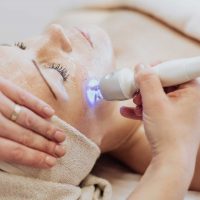

A thread lift costs between $700 and $4,500 on average, depending on the treatment area, the number of threads used, and the provider’s level of experience. This minimally invasive procedure has become one of the fastest-growing alternatives to a traditional surgical facelift. According to the American Society of Plastic Surgeons (ASPS), minimally invasive cosmetic procedures grew 3% in 2024, with patients choosing faster recovery times and lower price tags over surgery. In this article, you will learn exactly what drives thread lift pricing, how it compares to a facelift, what factors affect your final bill, and what kind of results you can expect for your investment.
How Much Does a Thread Lift Cost on Average?
A thread lift costs between $700 and $4,500 on average in the United States. According to RealSelf, the average patient-reported cost of a thread lift is approximately $2,138 based on over 200 patient reviews. The wide range in pricing comes down to a few key variables: the area being treated, the type of threads used, and the skill level of the provider performing the procedure.
A simple neck or jawline thread lift typically falls on the lower end of that range, between $800 and $1,000. A full face thread lift that targets the cheeks, jawline, and neck together usually costs $2,000 or more. The more threads required to achieve your desired lift, the higher the total cost will be.
The thread lifting materials market was valued at $675.50 million in 2024 and is projected to reach $1.29 billion by 2032, according to Future Market Report. That rapid growth reflects how popular this procedure has become. Patients who are considering a thread lift can expect a personalized quote after a one-on-one consultation, since every face is different and every treatment plan is custom.
Are Thread Lifts Worth the Money?
Yes, thread lifts are worth the money for patients with mild to moderate skin sagging who want visible results without the risks and recovery time of surgery. According to RealSelf, thread lifts carry a 75% “Worth It” rating from patients who have had the procedure. A meta-analysis published in Aesthetic Plastic Surgery found that the pooled short-term satisfaction rate after a thread lift was 98%, and the long-term satisfaction rate at six months was still 88%.
A large-scale multicenter review published in 2025, which analyzed over 111,000 thread lift cases performed between 2020 and 2024, found that procedure volumes increased steadily each year. This data from the Tokyo Central Cosmetic Surgery Group confirms that both patients and providers continue to see strong value in thread lifting as a facial rejuvenation option.
The treatment also delivers a dual benefit. PDO threads physically lift the skin right away, and they also trigger the body’s natural collagen production over the following weeks and months. Research published in the Journal of Cosmetic Dermatology found that PDO threads produce peak collagen at 12 weeks, and new collagen fibers persist for up to 48 weeks after insertion. That means your results actually improve for several months after treatment.
Are Threads Cheaper Than a Facelift?
Yes, threads are significantly cheaper than a facelift. According to the American Society of Plastic Surgeons, the average surgeon’s fee for a facelift reached $11,395 in 2024. That figure does not include anesthesia, operating room fees, or other related expenses, which can push the total cost of a facelift to $15,000 or more. In major cities, a full surgical facelift can cost $20,000 to $50,000 or higher.
A thread lift, by comparison, averages around $2,000 to $2,500 for most patients. That makes it roughly 40% to 80% less expensive than surgical alternatives. The trade-off is that a facelift produces more dramatic, longer-lasting results (up to 10 years), while a thread lift typically lasts 1 to 3 years. For patients who are not ready for surgery or who have only mild to moderate sagging, a thread lift delivers strong results at a fraction of the cost.
Many patients who are exploring skin tightening options find that a thread lift fills the gap between injectable treatments and full surgery. It offers more lift than Botox or fillers alone, but without incisions, general anesthesia, or weeks of recovery.
What Factors Affect the Cost of a Thread Lift?
The cost of a thread lift is affected by the treatment area, the type and number of threads, the provider’s experience, and your geographic location. Each of these factors plays a direct role in your final price.
How Does the Treatment Area Change the Price?
The treatment area changes the price because different parts of the face require different numbers of threads and different techniques. A jawline-only lift is simpler and uses fewer threads, so it costs less. A full-face treatment that includes the cheeks, jowls, and neck uses significantly more threads and takes longer to perform, which drives the price higher.
Neck and jawline lifts typically range from $800 to $1,000. Mid-face lifts that focus on the cheeks and nasolabial folds average between $1,200 and $1,800. Comprehensive treatments that cover the entire face and neck start at $2,000 and can go above $4,500.
Does the Type of Thread Matter for Cost?
Yes, the type of thread matters for cost because different thread materials have different price points, longevity, and lifting capacity. PDO (polydioxanone) threads are the most common and typically the most affordable option. PLA (polylactic acid) threads take longer to dissolve (about 12 months) and stimulate stronger collagen production, so they tend to cost more. PCL (polycaprolactone) threads last the longest at 12 to 15 months before dissolving and carry the highest price tag.
Barbed or cog threads, which have tiny hooks that grip tissue for a stronger lift, cost more than smooth mono threads. According to a market analysis by GII Research, barbed thread products captured 43.16% of total aesthetic thread spending in 2024, making them the most popular category. Smooth PDO threads are more commonly used for skin texture improvement and fine line reduction at a lower cost per thread.
How Does Provider Experience Affect Thread Lift Pricing?
Provider experience affects thread lift pricing because a highly trained, board-certified professional with years of aesthetic expertise will charge more than a less experienced practitioner. This matters. A meta-analysis in Aesthetic Plastic Surgery found that the most common thread lift complications, including skin dimpling (10%), paresthesia (6%), and thread visibility (4%), are directly tied to practitioner skill and proper thread placement.
Choosing an experienced provider is one of the most important decisions you can make. A skilled practitioner reduces the risk of complications and delivers more natural-looking results. Practitioners at a trusted facial treatments clinic invest in ongoing training and use high-quality, certified thread materials, which is reflected in their pricing.
Is 60 Too Old for a Thread Lift?
No, 60 is not too old for a thread lift, but results may vary compared to younger patients. The multicenter review of over 111,000 thread lift procedures found that the median patient age increased from 34 years in 2020 to 42 years in 2024, with the age range extending up to 52 years in recent data. Patients older than 50 can still benefit from thread lifting, especially when it is combined with other treatments like fillers or neurotoxins.
However, the same research notes that patients over 50 may have a higher risk of complications and slightly lower long-term satisfaction. For individuals with significant skin laxity or heavy sagging, a surgical facelift may produce better results. The best way to find out if you are a good candidate is to schedule a consultation with a qualified provider who can assess your skin condition and goals.
What Is the Best Age for a Thread Lift?
The best age for a thread lift is typically between the late 30s and early 50s. This is the age range where mild to moderate skin sagging begins to appear, but the skin still has enough collagen and elasticity to respond well to the procedure. Patients in their 30s and 40s tend to see thread lift results that last around 12 months or longer, while patients in their 50s and 60s may see results for 6 to 9 months, according to clinical observations.
According to the Centers for Disease Control and Prevention, 35% of adults aged 25 to 44 considered thread lifts in 2023. This trend shows that younger patients are increasingly interested in preventive anti-aging treatments. A thread lift at this stage can slow visible aging and maintain a youthful appearance over time with periodic touch-ups.
How Long Does a Thread Lift Last?
A thread lift lasts between 1 and 3 years, depending on the type of threads used, the patient’s age, and their skin quality. PDO threads dissolve in about 6 months through hydrolysis, but the collagen they stimulate continues to provide structural support for months afterward. A study published in the Journal of Cosmetic Dermatology confirmed that collagen production from PDO threads persists for up to 48 weeks after insertion.
PCL threads last longer, maintaining their integrity for 12 to 15 months. Because of this extended timeline, PCL-based thread lifts may provide results that last closer to 2 to 3 years. Many patients choose to get annual touch-up treatments to maintain their lift, which adds to the long-term cost but keeps results consistent.
Patients who combine Botox or dermal fillers with their thread lift often report even better and longer-lasting results. The multicenter study of 111,000 procedures found that over 60% of thread lift patients received combination treatments with fillers or toxins, and research shows these combined approaches produce more durable outcomes than thread lifting alone.
What Is the Downside of a Thread Lift?
The downside of a thread lift is that results are temporary, the procedure cannot correct severe sagging, and there is a risk of minor complications. Unlike a surgical facelift that can last 10 years or more, a thread lift typically needs to be repeated every 1 to 3 years to maintain results. Over time, the cost of multiple thread lift sessions can add up.
A meta-analysis that reviewed 26 studies and 2,827 patients found that common side effects include temporary swelling (reported in 16% to 35% of cases), skin dimpling (7% to 10%), bruising (26%), and paresthesia (6% to 10%). Serious complications like infection (2%) and thread extrusion (2% to 5%) are uncommon but possible. These risks are significantly lower with absorbable threads compared to non-absorbable threads.
Patients with advanced skin sagging, heavy jowling, or significant excess tissue typically do not get enough correction from a thread lift alone. In those cases, a surgical facelift or a combination approach with other treatments may be more appropriate.
Do Thread Lifts Cause Sagging?
No, thread lifts do not cause sagging. Once the threads dissolve, the skin gradually returns to its pre-treatment state over time as part of the natural aging process, but it does not sag worse than before. The collagen that was produced in response to the threads provides continued support even after the threads themselves have been absorbed by the body.
Research published in the Journal of Cosmetic Dermatology showed that PDO threads trigger collagen production that lasts well beyond the thread’s lifespan, with new collagen fibers still present at 48 weeks. The study by Fukaya et al. also found that approximately 90% of patients perceived themselves as looking younger one year after their thread lift. So the procedure leaves lasting benefits on skin quality even after the mechanical lift fades.
Can You Feel PDO Threads in Your Face?
Yes, you can feel PDO threads in your face for the first few weeks after the procedure, but this sensation fades as the threads settle into the tissue. During the initial healing period, it is normal to feel mild tightness, pulling, or awareness of the threads under the skin. By 2 to 4 weeks, the threads integrate fully with the surrounding tissue and become undetectable.
In a small observational study from the multicenter review of thread lift cases, thread palpation (being able to feel the threads) was reported in only 2.3% of patients. This makes it an uncommon long-term concern. Proper thread placement at the correct depth by an experienced provider greatly reduces any risk of threads being felt or visible through the skin.
What Procedure Takes 10 Years Off Your Face?
The procedure that takes 10 years off your face depends on your age, skin condition, and goals. A surgical facelift is widely considered the most dramatic option, with the ability to reverse 10 or more years of visible aging in a single procedure. However, it comes with significant cost ($11,395 average surgeon fee, according to ASPS), general anesthesia, and several weeks of recovery.
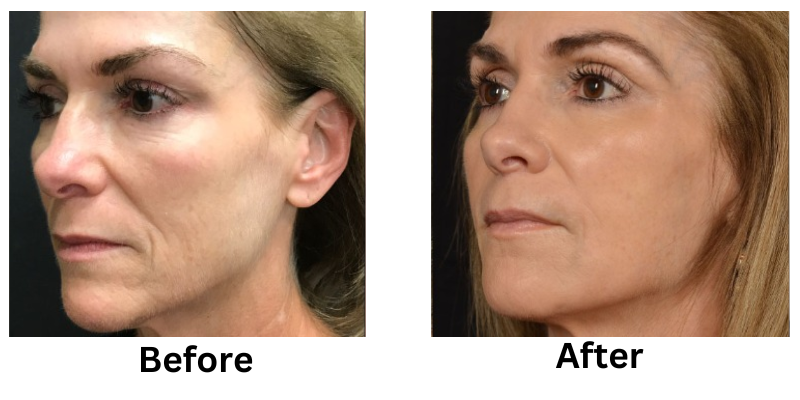
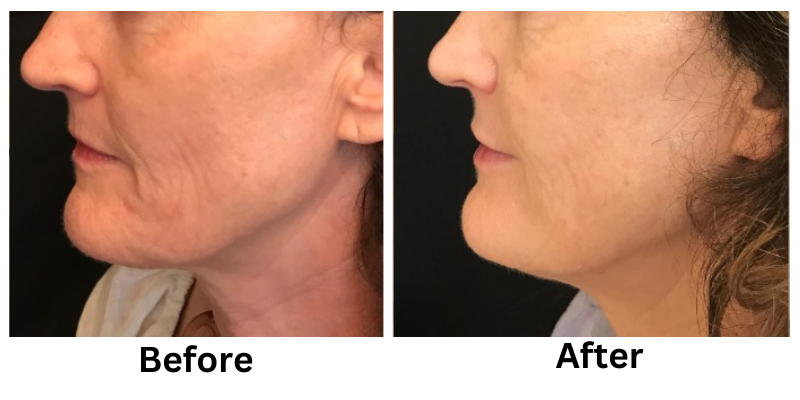
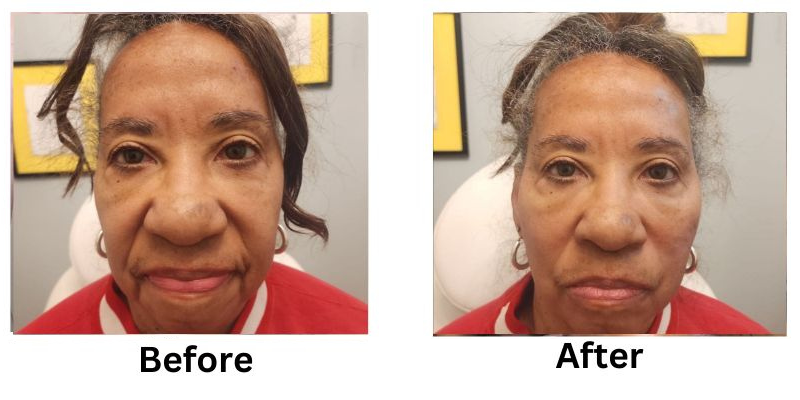
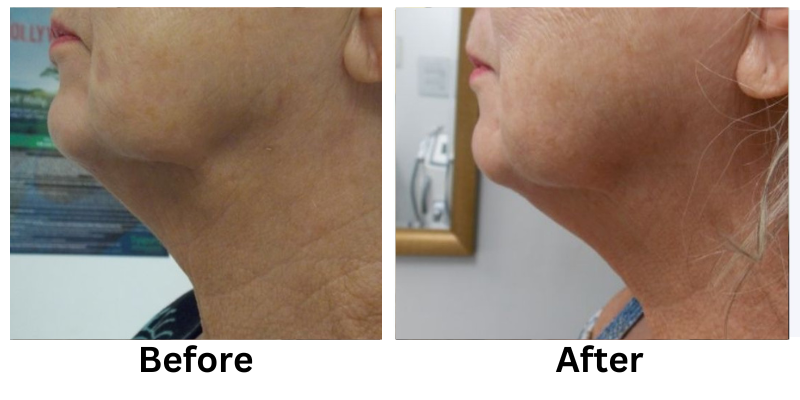
For patients who want a noticeable improvement without surgery, a thread lift combined with Juvederm fillers or Botox can create a refreshed, younger-looking appearance. A multicenter study in India reported aesthetic improvement in more than 96% of thread lift cases as assessed by both physicians and patients. Thread lifts are especially effective for jowl correction, jawline definition, and mid-face lifting, which are the areas most associated with an aged appearance.
Other non-surgical options that produce significant rejuvenation include radio frequency microneedling, laser skin resurfacing, and chemical peels, all of which work well alongside thread lifting for a comprehensive rejuvenation plan.
How Often Does a Thread Lift Go Wrong?
A thread lift goes wrong in a small percentage of cases, and serious complications are rare when the procedure is performed by a qualified provider. The meta-analysis in Aesthetic Plastic Surgery found an infection rate of just 2% and a thread extrusion rate of 2% to 5%. The most commonly reported issues, such as temporary swelling and bruising, resolve on their own within 1 to 2 weeks.
The large-scale review of over 111,000 thread lift cases found that skin dimpling occurred in 11.7% of a smaller observational subset, thread palpation in 2.3%, and transient asymmetry in only 0.9%. No serious complications like infection or nerve damage were observed in that study group. These numbers confirm that when performed by an experienced professional using high-quality, absorbable threads, the procedure is safe and effective.
The key to minimizing risk is choosing a provider with specific training in thread lift techniques and a track record of successful results. A reputable medical spa with experienced practitioners will walk you through every step of the process, from consultation to aftercare.
What’s Better Than a Thread Lift?
What is better than a thread lift depends entirely on your goals, your skin condition, and your budget. A surgical facelift is better for patients who need dramatic correction of severe sagging, deep wrinkles, and heavy jowls. It lasts 10+ years, but it also costs $15,000 to $50,000 or more and requires weeks of downtime.
For patients with mild aging concerns, Sculptra may be a strong alternative. Sculptra is a poly-L-lactic acid filler that stimulates collagen over time and can last up to 2 years. For volume loss specifically, Restylane or Radiesse fillers restore fullness in the cheeks and mid-face without any lifting mechanism.
A thread lift fills a unique space between injectables and surgery. It provides more lift than fillers or Botox alone but is less invasive, less expensive, and requires far less recovery than a facelift. For many patients in their late 30s to mid-50s with mild to moderate sagging, a thread lift is the ideal option.
Thread Lift vs. Facelift: Cost and Results Comparison
| Factor | Thread Lift | Surgical Facelift |
|---|---|---|
| Average Cost | $700 to $4,500 | $11,395+ (surgeon fee only) |
| Total Cost With All Fees | $1,500 to $4,500 | $15,000 to $50,000+ |
| Procedure Time | 30 to 60 minutes | 3 to 6 hours |
| Anesthesia | Local anesthesia | General anesthesia |
| Recovery Time | 1 to 2 days | 2 to 4 weeks |
| Results Duration | 1 to 3 years | 5 to 10+ years |
| Best For | Mild to moderate sagging | Moderate to severe sagging |
| Patient Satisfaction | 75% “Worth It” (RealSelf) | 91% “Worth It” (RealSelf) |
| Collagen Stimulation | Yes, up to 48 weeks | Indirect, via healing |
| Incisions Required | No (entry points only) | Yes |
Sources: American Society of Plastic Surgeons (2024), RealSelf patient-reported data, Journal of Cosmetic Dermatology, Aesthetic Plastic Surgery meta-analysis
Does Insurance Cover a Thread Lift?
No, insurance does not cover a thread lift. Because a thread lift is classified as a cosmetic procedure, health insurance plans do not include it in their coverage. This applies to all elective aesthetic treatments designed to improve appearance rather than treat a medical condition.
Many medical spas and aesthetic clinics offer financing options through companies like CareCredit. These programs function like medical credit cards and allow patients to pay for their procedure over time. Some providers also offer in-house payment plans that break the cost into manageable monthly installments. It is always a good idea to ask about financing options during your consultation so you can plan your budget ahead of time.
Are Thread Lifts Safe for Older Skin?
Yes, thread lifts are safe for older skin when performed by a qualified provider on an appropriate candidate. The meta-analysis in Aesthetic Plastic Surgery did find that non-absorbable threads and older patient age were associated with slightly higher complication rates. However, absorbable PDO and PCL threads used by experienced providers show strong safety profiles across all age groups.
A review published in the journal Life (MDPI) in 2025 found that I-shaped absorbable threads demonstrate complication rates below 5%, making them a safe choice for patients with thinner or more delicate skin. The key for older patients is realistic expectations. A thread lift will not produce the same dramatic lift as a surgical facelift, but it can visibly improve jawline definition, reduce jowling, and restore mid-face contour with minimal risk.
Patients with lax skin or visible fine lines and wrinkles often find that a thread lift combined with other treatments like exosome microneedling or PDO threads gives them a comprehensive rejuvenation plan that addresses multiple concerns at once.
What Do Celebrities Do Instead of Botox?
Instead of Botox, many celebrities turn to thread lifts, Sculptra, PRP facials, and advanced skin tightening treatments for a more natural-looking rejuvenation. Thread lifts have gained a strong reputation in the aesthetic industry because they provide a subtle, natural lift without the “frozen” look that can sometimes come from neurotoxins.
The International Society of Aesthetic Plastic Surgery (ISAPS) reported that 34.9 million surgical and non-surgical aesthetic procedures were performed worldwide by plastic surgeons in 2023, a 3.4% global increase. Non-surgical procedures like thread lifts, fillers, and energy-based devices made up over 19.1 million of those treatments. The growing demand for natural-looking results has pushed thread lifting to the forefront of the non-surgical rejuvenation market.
For patients who want to explore non-Botox options, treatments like Xeomin (a purified neurotoxin with no additives) and Sculptra for long-term volume restoration offer excellent alternatives with different mechanisms and benefits.
Frequently Asked Questions
How Many Threads Do You Need for a Thread Lift?
The number of threads you need for a thread lift varies between 4 and 20 or more, depending on the areas being treated and the degree of lift required. A jawline lift may use 4 to 8 threads, while a full face and neck treatment can require 12 to 20 threads. More threads generally means a higher overall cost. Your provider will recommend the right number during your consultation after evaluating your skin and goals.
Can You Get a Thread Lift and Fillers at the Same Time?
Yes, you can get a thread lift and fillers at the same time, and many providers recommend combining them for optimal results. The multicenter review of over 111,000 thread lift cases found that more than 60% of patients received combination treatments with fillers or neurotoxins. Thread lifts provide the structural lift, while fillers like Botox and fillers used together restore lost volume for a more complete rejuvenation.
Is a Thread Lift Painful?
A thread lift is not typically painful because the procedure is performed under local anesthesia. Most patients describe feeling pressure or mild tugging during the insertion of the threads, but not sharp pain. Some soreness, tenderness, and swelling at the entry points are common for the first 1 to 3 days after treatment, and these can be managed with over-the-counter pain medication and cold compresses.
How Long Is the Recovery After a Thread Lift?
The recovery after a thread lift is minimal, with most patients returning to normal activities within 1 to 2 days. Mild swelling and bruising typically resolve within the first week. Patients are advised to avoid strenuous exercise, excessive facial movements, and sleeping on their side for the first few days. Final results usually become visible about 3 to 4 weeks after treatment, once all swelling has subsided and collagen production is underway.
What Happens When Thread Lift Wears Off?
When a thread lift wears off, the skin gradually returns to its natural aging trajectory, but it does not look worse than before the procedure. The collagen that was produced during the treatment continues to provide some structural benefit even after the threads dissolve. Many patients choose to get a maintenance treatment every 12 to 18 months to sustain their results over time. Annual touch-ups can extend the benefits of thread lifting for years.
Why Do Some Plastic Surgeons Not Like Threads?
Some plastic surgeons do not like threads because the results are temporary, the correction is more subtle than surgery, and the long-term data is still evolving compared to surgical facelifts. Thread lifts are best suited for mild to moderate sagging, and they cannot replicate the dramatic, long-lasting lift of a deep plane facelift. Surgeons who specialize in surgical procedures may prefer to recommend options that offer more permanent transformation. However, for the right candidate, thread lifts remain a safe, effective, and popular choice supported by growing clinical evidence.
Final Thoughts
A thread lift is one of the most accessible and effective minimally invasive treatments available for facial rejuvenation today. With an average cost between $700 and $4,500, it delivers visible lifting, improved skin texture, and natural collagen stimulation at a fraction of the cost of surgery. The procedure takes less than an hour, requires minimal downtime, and produces results that can last 1 to 3 years with proper care and maintenance.
Whether you are dealing with early jowling, sagging cheeks, or a loss of jawline definition, a thread lift can make a real difference without the commitment of a full surgical procedure. Combine it with treatments like Botox, fillers, or skin tightening for even more dramatic and longer-lasting results.
If you are ready to explore whether a thread lift is right for you, Slimming Solutions Med Spa offers personalized consultations to help you build a treatment plan that fits your goals and your budget. Call (816) 524-3438 or request a consultation today to take the first step toward a refreshed, more youthful appearance.
![[thumb]](https://slimmingsolutionsspa.com/wp-content/uploads/2023/12/botox1-150x150.png)
![[thumb]](https://slimmingsolutionsspa.com/wp-content/uploads/2023/12/Before2-150x150.png)
![[thumb]](https://slimmingsolutionsspa.com/wp-content/uploads/2023/12/Before3-150x150.png)


![[thumb]](https://slimmingsolutionsspa.com/wp-content/uploads/2023/12/revanesse-versa-1-150x150.png)
![[thumb]](https://slimmingsolutionsspa.com/wp-content/uploads/2023/12/revanesse-versa-2-150x150.png)
![[thumb]](https://slimmingsolutionsspa.com/wp-content/uploads/2023/12/revanesse-versa-3-150x150.png)
![[thumb]](https://slimmingsolutionsspa.com/wp-content/uploads/2023/12/revanesse-versa-4-150x150.png)
![[thumb]](https://slimmingsolutionsspa.com/wp-content/uploads/2023/12/revanesse-versa-5-150x150.png)
![[thumb]](https://slimmingsolutionsspa.com/wp-content/uploads/2024/01/Eyebrow-treatment-1-1-150x150.png)
![[thumb]](https://slimmingsolutionsspa.com/wp-content/uploads/2023/12/Skin-Rejuvenation-1-150x150.png)
![[thumb]](https://slimmingsolutionsspa.com/wp-content/uploads/2023/12/Skin-Rejuvenation-2-150x150.png)


![[thumb]](https://slimmingsolutionsspa.com/wp-content/uploads/2024/01/Lip-Filler-1-150x150.png)
![[thumb]](https://slimmingsolutionsspa.com/wp-content/uploads/2024/01/Lip-Filler-2-150x150.png)
![[thumb]](https://slimmingsolutionsspa.com/wp-content/uploads/2025/02/Lip-Filler-1-150x150.png)
![[thumb]](https://slimmingsolutionsspa.com/wp-content/uploads/2024/01/Lip-Filler-150x150.jpg)
![[thumb]](https://slimmingsolutionsspa.com/wp-content/uploads/2024/01/Before-1-150x150.jpg)

![[thumb]](https://slimmingsolutionsspa.com/wp-content/uploads/2024/01/RHA-Treatmetn-3-150x150.png)
![[thumb]](https://slimmingsolutionsspa.com/wp-content/uploads/2024/01/RHA-Treatmetn-2-150x150.png)
![[thumb]](https://slimmingsolutionsspa.com/wp-content/uploads/2024/01/RHA-Treatmetn-1-150x150.png)
![[thumb]](https://slimmingsolutionsspa.com/wp-content/uploads/2024/01/Thread-Lifts-1-150x150.png)
![[thumb]](https://slimmingsolutionsspa.com/wp-content/uploads/2024/01/Thread-Lifts-2-150x150.png)
![[thumb]](https://slimmingsolutionsspa.com/wp-content/uploads/2025/02/Lip-Filler-2-150x150.png)

![[thumb]](https://slimmingsolutionsspa.com/wp-content/uploads/2023/12/skin-reuvulation1-150x150.png)
![[thumb]](https://slimmingsolutionsspa.com/wp-content/uploads/2023/12/skin-rejuvulation-2-150x150.png)
![[thumb]](https://slimmingsolutionsspa.com/wp-content/uploads/2023/12/Skin-Tighting-150x150.png)
![[thumb]](https://slimmingsolutionsspa.com/wp-content/uploads/2023/12/Before-150x150.jpg)
![[thumb]](https://slimmingsolutionsspa.com/wp-content/uploads/2023/12/weightloss-1-150x150.png)
![[thumb]](https://slimmingsolutionsspa.com/wp-content/uploads/2023/12/weightloss-2-150x150.png)
![[thumb]](https://slimmingsolutionsspa.com/wp-content/uploads/2023/12/2Weight-Loss-2-150x150.png)
![[thumb]](https://slimmingsolutionsspa.com/wp-content/uploads/2025/02/Weight-Loss-1-new-150x150.png)
![[thumb]](https://slimmingsolutionsspa.com/wp-content/uploads/2023/12/Weight-Loss-3-150x150.png)
![[thumb]](https://slimmingsolutionsspa.com/wp-content/uploads/2025/03/Slimming-Solutions-BA-Template-150x150.png)


![[thumb]](https://slimmingsolutionsspa.com/wp-content/uploads/2023/12/dat3-150x150.png)
![[thumb]](https://slimmingsolutionsspa.com/wp-content/uploads/2023/12/dat-0-150x150.png)
![[thumb]](https://slimmingsolutionsspa.com/wp-content/uploads/2023/12/dat-1-150x150.png)
![[thumb]](https://slimmingsolutionsspa.com/wp-content/uploads/2023/12/Before-1-150x150.png)

![[thumb]](https://slimmingsolutionsspa.com/wp-content/uploads/2024/01/EMS-Treatment-2-150x150.png)
![[thumb]](https://slimmingsolutionsspa.com/wp-content/uploads/2024/01/EMS-Treatment-1-150x150.png)
![[thumb]](https://slimmingsolutionsspa.com/wp-content/uploads/2025/02/ems-BNA-front-150x150.png)
![[thumb]](https://slimmingsolutionsspa.com/wp-content/uploads/2025/02/EMS-bna-SIDE-150x150.png)
![[thumb]](https://slimmingsolutionsspa.com/wp-content/uploads/2024/01/EMS-Treatment-6-150x150.png)